How to Choose the Perfect Resin Door for Your Home in 2026 (Complete Buyer's Guide)
Choosing a custom resin door is an exciting upgrade, but with so many design options, colors, and materials available, it can be difficult to know where to begin. As resin doors continue to rise in popularity in 2026, homeowners are seeking doors that blend durability, visual appeal, and personalized craftsmanship. This buyer's guide explains the key factors to consider when selecting the perfect resin door for your home.
1. Consider Your Home's Architectural Style
A custom resin door should complement the overall look of your home. Matching the design style ensures the door enhances curb appeal rather than clashing with the exterior. Your front door serves as the focal point of your home's facade—it's often the first architectural detail visitors notice and sets the tone for their entire impression of the property.
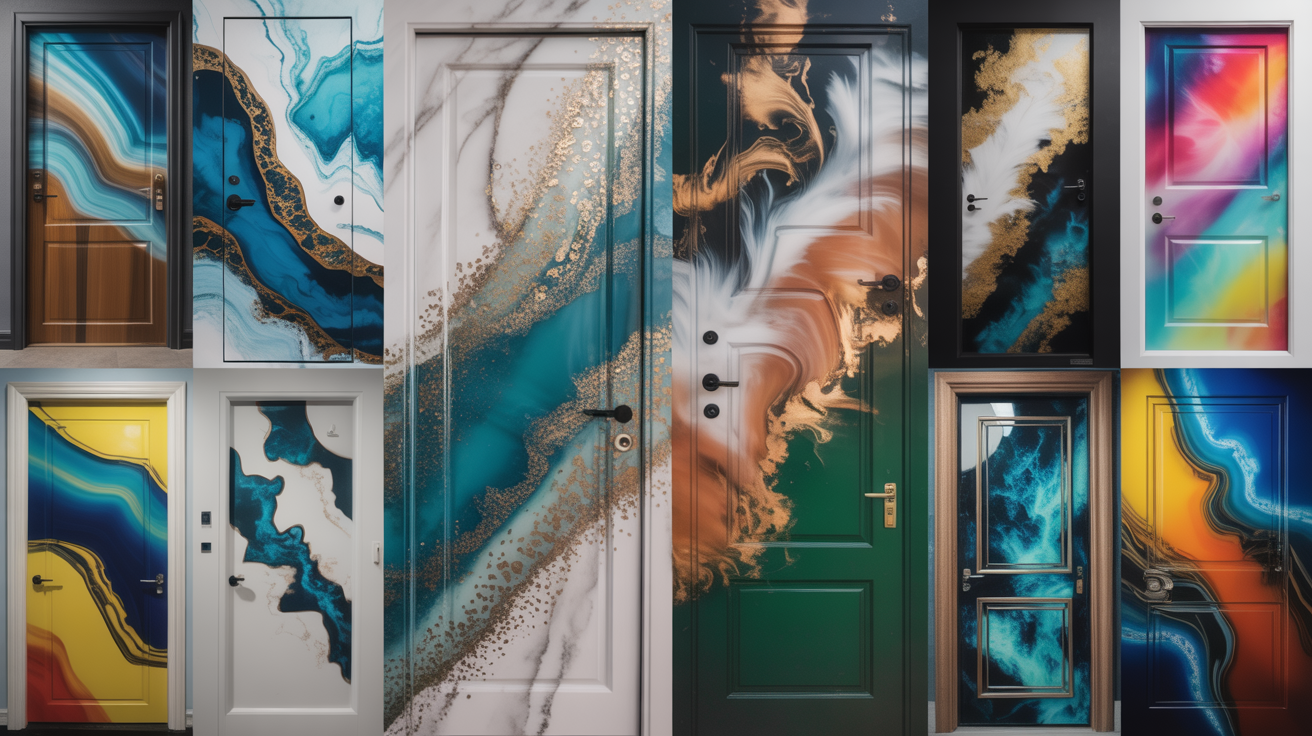
Common pairings include modern homes with matte finishes, smoky resin designs, or metallic effects that emphasize clean lines and contemporary aesthetics. Farmhouse-style homes pair beautifully with clear or white resin combined with rustic wood, creating warmth and traditional charm. Luxury custom homes often feature translucent, marble-style, or backlit resin that conveys sophistication and high-end design. Cabins or lodges work well with dark wood paired with deep turquoise or emerald resin, connecting to natural landscapes and outdoor settings.
Choosing a door that matches your home's style creates a cohesive, intentional look that increases property value and aesthetic appeal. For homeowners in Nixa, Springfield, and throughout the Ozarks region, working with experienced local craftsmen ensures the door design complements regional architectural traditions while incorporating modern innovations. These professionals understand how different styles perform in Missouri's climate and which designs achieve lasting appeal.
2. Select the Right Color Palette
Epoxy resin doors offer virtually unlimited design and color possibilities—one of their most exciting advantages over traditional door materials. When selecting a color scheme, consider the tones of your home's siding, trim, and interior style. The door should harmonize with existing colors while potentially adding a bold accent that draws attention.
Decide whether you want warm or cool tones—warm colors like amber, copper, and terracotta create welcoming, cozy atmospheres, while cool colors like blue, turquoise, and gray evoke modern sophistication and calm elegance. Consider whether you prefer opaque or translucent resin—translucent options create striking effects when natural light passes through them, giving the door additional visual depth and changing appearance throughout the day.
Determine if you want bold, standout patterns or subtle flowing designs. Bold patterns make dramatic statements and set your home apart, while subtle designs offer timeless elegance that remains attractive across decades. Think about how the door will look in different lighting conditions—morning sun, afternoon shade, evening artificial light, and nighttime illumination all affect appearance differently.
Translucent resin can create particularly striking effects when natural light passes through it, giving the door additional visual depth and almost ethereal quality. Many homeowners choose translucent options specifically for entryways that receive excellent natural lighting, maximizing the door's visual impact. For homes in wooded areas or with covered porches, opaque resins often work better since they don't rely on light transmission for visual interest.
3. Choose a Wood and Resin Combination
Many of the most visually appealing resin doors combine hardwood with epoxy resin, creating stunning contrasts between organic wood grain and artistic resin patterns. This combination delivers the best of both worlds—the warmth and authenticity of natural wood paired with the durability and creative possibilities of modern resin technology.
Popular wood-resin pairings include black walnut with deep blue resin creating dramatic contrast and sophistication, hard maple with smoky gray resin offering contemporary elegance, red oak with emerald resin providing vibrant energy and natural connection, and eastern cedar with amber resin delivering warm, rustic charm. Each combination produces distinctly different aesthetic results, so consider which mood and character best suits your home.
Wood adds warmth and natural texture that connects to traditional craftsmanship values, while resin introduces a modern, artistic touch that signals contemporary design awareness. Together, the combination produces a door that is both functional and unique—a conversation piece that serves practical purposes while elevating your home's architectural character.
For environmentally conscious homeowners, many custom resin door projects incorporate reclaimed or salvaged wood. This sustainable approach gives new life to materials that might otherwise be discarded—barn wood from historic structures, urban lumber from removed trees, or wood damaged by storms but still structurally sound. Resin fills cracks and voids in this reclaimed wood, transforming perceived flaws into distinctive design features while reducing environmental impact.
4. Consider Lighting Effects
Lighting can elevate the appearance of a resin door considerably, transforming it from a static design element into a dynamic architectural feature that changes throughout the day and evening. In 2026, lighting integration represents one of the fastest-growing trends in custom door design.
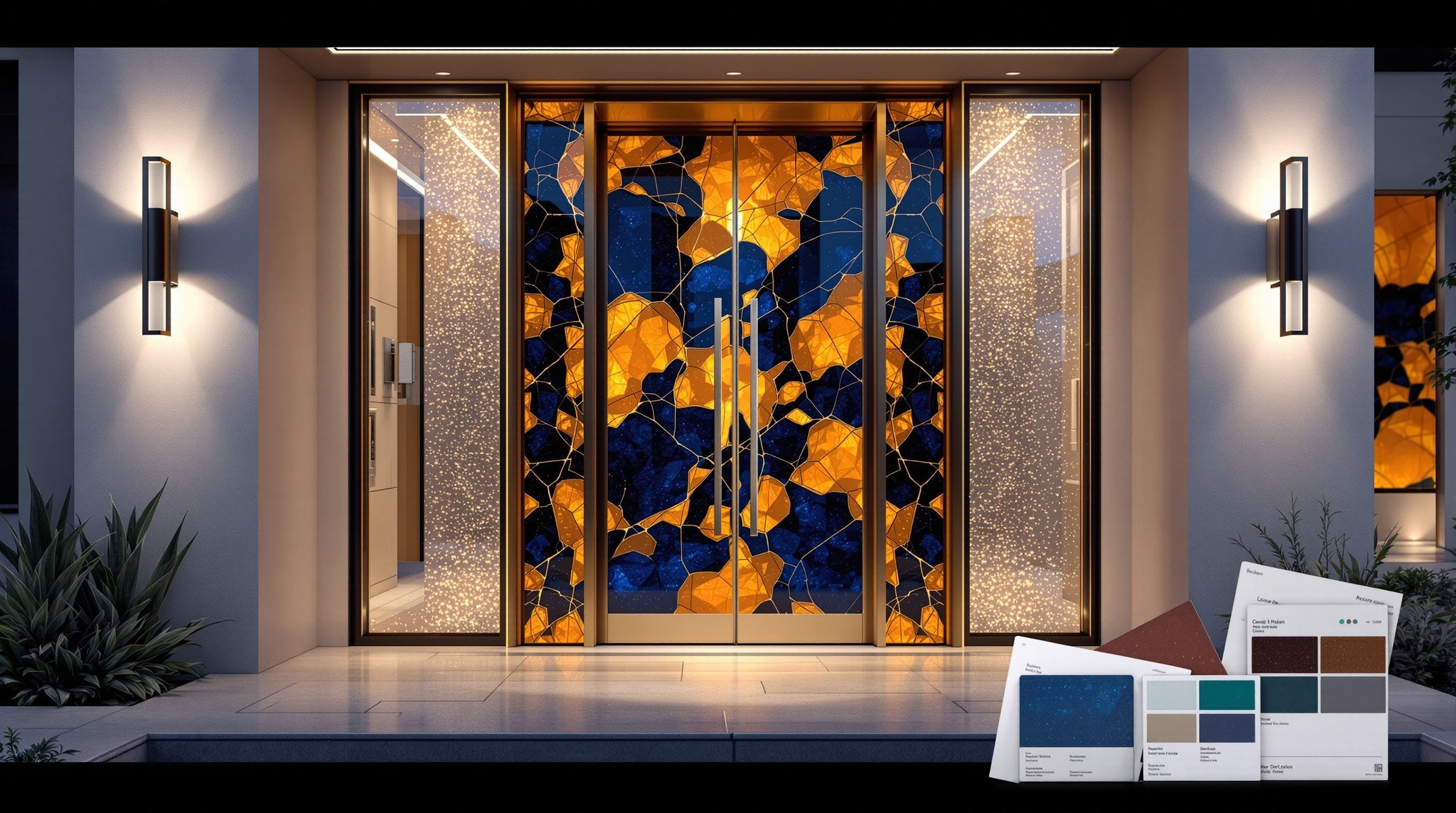
Lighting options include backlit resin panels for nighttime illumination that create glowing artistic effects after dark. These installations typically use LED strips positioned behind translucent resin sections, producing stunning visual impact while providing functional entrance lighting. Sidelights or transom windows enhance visibility and allow natural light to highlight resin patterns during daytime hours. LED accents behind translucent resin create customizable color effects—some systems even feature RGB capabilities allowing seasonal color changes.
Many homeowners upgrading in 2026 are integrating lighting features specifically designed to highlight the patterns and clarity within the resin. These lighting systems serve dual purposes—providing practical illumination for safety and security while showcasing the door's artistic qualities. The investment in integrated lighting typically ranges from several hundred to over a thousand dollars depending on complexity, but delivers dramatic impact that justifies the expense.
When planning lighting features, consider energy efficiency—LED systems consume minimal electricity while providing excellent illumination. Think about control systems—do you want the lights on timers, motion sensors, or manual switches? Consider maintenance access—can bulbs be replaced without major disassembly? Professional craftsmen can advise on these technical considerations while ensuring lighting integration enhances rather than compromises the door's structural integrity.
5. Evaluate Durability and Weather Resistance
One of the key advantages of resin doors is their long-term durability, especially in regions with changing weather patterns like Missouri. The Ozarks region experiences particularly challenging conditions—humid summers, cold winters, dramatic temperature swings, significant precipitation, and high seasonal humidity fluctuations. Your door must perform reliably despite these stresses.
When evaluating a door, consider UV-resistant resin to prevent yellowing—premium resins include additives that protect against solar degradation that can discolor inferior products. Look for reinforced interior cores for structural stability—quality doors feature solid hardwood cores or engineered materials that maintain strength under stress. Ensure proper sealing for outdoor exposure—weather-stripping, threshold seals, and protective finishes must effectively prevent moisture infiltration. Choose high-quality hardware that complements the door's design—hinges, locksets, and handles must withstand constant use and weather exposure.
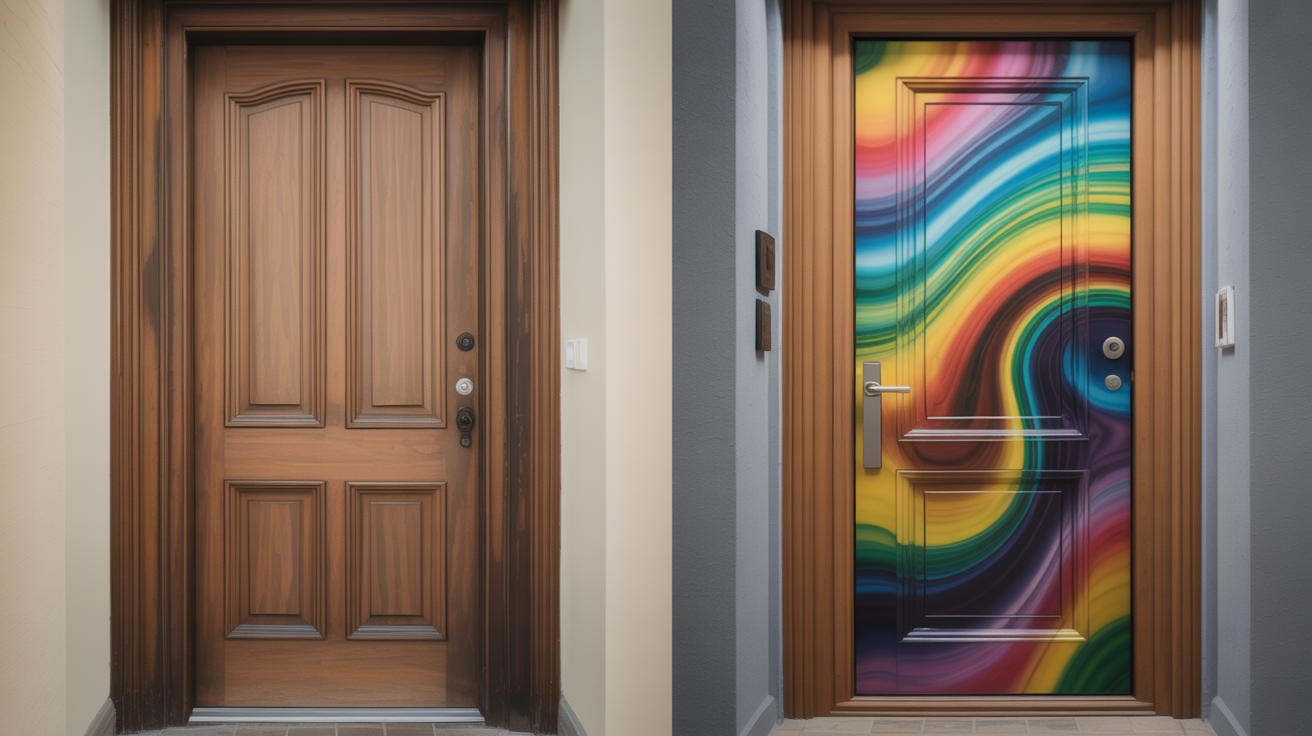
Properly fabricated resin does not warp, crack, or absorb moisture, making it ideal for climates with humidity, rain, or temperature swings. Unlike wood doors that expand in summer humidity and contract in winter cold, resin and wood hybrid doors maintain dimensional stability year-round. This stability translates to doors that continue fitting properly, sealing effectively, and looking beautiful for decades without the warping, sticking, and gaps that plague traditional wood doors.
Professional craftsmen use commercial-grade epoxy resins specifically formulated for exterior applications. These materials far exceed hobby-grade products in UV resistance, impact strength, and long-term performance. When selecting a resin door, verify that premium materials are being used—this ensures your investment delivers the durability advantages that make resin doors attractive in the first place.
6. Custom Versus Standard Designs
Standard resin door designs are readily available from manufacturers offering pre-configured styles, colors, and dimensions. These options work well for homeowners seeking quality resin doors at moderate prices with faster delivery timelines. Standard designs typically feature proven aesthetics and reliable performance, making them safe choices for many applications.
However, custom doors offer a much higher level of personalization that transforms your entrance into a truly unique architectural feature. With a custom design, you can select specific wood species—choosing grain patterns, color tones, and sustainability credentials. You control resin colors and transparency—matching exact hues to your home's palette or creating completely original combinations. You determine pour patterns—whether you want rivers, swirls, marbles, or abstract designs. You can specify embedded elements such as stones, shells, pigments, or metallic accents that add personal meaning.
If you want your door to be a distinct piece of functional art rather than a mass-produced product, customization is the best option. The design process typically involves consultations where you work directly with artisans to develop concepts, review samples, and refine details until the design perfectly matches your vision. This collaborative approach ensures the final product reflects your personality and architectural goals.
Custom designs do require longer lead times—typically 6 to 12 weeks from design approval to installation depending on complexity and workshop schedules. They also command premium pricing compared to standard options. However, for homeowners who view their entrance as a reflection of personal style and property value, the investment in customization delivers returns through uniqueness, perfect design integration, and the satisfaction of owning something truly one-of-a-kind.
7. Understand the Cost Factors
The cost of a custom resin door varies based on several considerations, and understanding these factors helps set realistic budget expectations. Primary cost drivers include door size—larger doors require more materials and labor, increasing expenses proportionally. Resin complexity and color layers impact pricing—simple single-color pours cost less than multi-layered designs with metallic effects and embedded elements.
Thickness of the pour affects material costs and curing time—thicker resin sections require more epoxy and careful thermal management. Wood selection influences pricing—exotic hardwoods and large live-edge slabs command premium prices compared to standard lumber. Hardware quality ranges from basic functional components to designer pieces that significantly impact overall cost. LED lighting features add both material and installation expenses but deliver dramatic visual returns.
As a general range, custom resin doors typically start around several thousand dollars for modest designs and can exceed ten thousand dollars or more for large, complex installations with premium materials and integrated lighting. While this represents a premium investment compared to basic builder-grade doors, the value proposition becomes clear when considering durability, aesthetic impact, and property value enhancement.
Many homeowners find that the door's dramatic curb appeal and conversation-starting uniqueness justify the expense. Real estate professionals note that distinctive architectural features like custom resin doors help properties stand out in competitive markets, often resulting in faster sales at higher prices. The door essentially becomes a marketing asset that differentiates your property from comparable homes in the area.
8. Maintenance Requirements
One of the main benefits of resin doors is their low maintenance needs compared to traditional wood doors. Unlike wood doors that require frequent refinishing, resin doors maintain their appearance with minimal effort—a significant advantage for busy homeowners who want beautiful entrances without constant upkeep.
Routine maintenance usually involves cleaning with mild soap and water to remove dirt, pollen, and environmental deposits. Use soft cloths or sponges—avoid abrasive cleaning pads that could scratch the finish. For stubborn spots, gentle household cleaners work effectively without damaging the resin. Occasionally polish the surface if the finish becomes dull—specialized resin polishes restore gloss and enhance protection.
What you don't need to do is equally important. No refinishing or restaining every few years, no weather-stripping replacement due to wood swelling, no repairs for cracks, warping, or splitting, no treatments for pest damage or rot, and no frequent hardware adjustments due to door movement. This maintenance simplicity appeals strongly to homeowners who appreciate quality materials that perform reliably without demanding constant attention.
Most homeowners appreciate the long-lasting beauty resin provides with minimal effort. The material's inherent durability means the door continues looking spectacular for decades while requiring only occasional basic cleaning. This low-maintenance characteristic represents significant time savings and cost reduction compared to wood doors' ongoing refinishing and repair needs.
Conclusion
Selecting the perfect resin door involves understanding your home's style, choosing the right materials, and deciding how bold or subtle you want the design to be. With options ranging from translucent pours to live-edge river doors, resin offers a level of artistic freedom unmatched by traditional door materials. Whether your style is modern, rustic, or luxurious, a custom resin door can transform your entryway into a standout feature that enhances property value while reflecting your personal aesthetic.
For homeowners in Nixa, Springfield, Ozark, and throughout Missouri, working with experienced local craftsmen ensures your door is properly designed for regional climate conditions, expertly fabricated using premium materials, and professionally installed for optimal performance. These skilled artisans combine technical expertise with artistic vision, creating doors that serve as functional art pieces welcoming guests while protecting your home.
As you begin your door selection journey, consider scheduling consultations with multiple craftsmen to review portfolios, discuss design possibilities, and understand pricing structures. This research phase helps you make informed decisions that result in a door you'll love for decades. The investment in a quality custom resin door delivers returns through enhanced curb appeal, reduced maintenance costs, superior durability, and the daily satisfaction of owning something truly unique that transforms your home's entrance into an architectural statement.
Tags
Ready to Create Your Custom Resin Door?
Let's bring your vision to life with a one-of-a-kind custom resin door